1. Hard surfaces
Glass, metal, sealed wood and plastic are cleaned with products matched to the agent.
South Hill, VA · Mecklenburg County
Looking for tear gas removal in South Hill? (877) 812-4220 is answered 24/7. A cleanup team contains the space, uses methods matched to the agent and checks the result before anyone returns.
If anyone is in danger, call 911 first. For a suicide crisis, call or text 988.
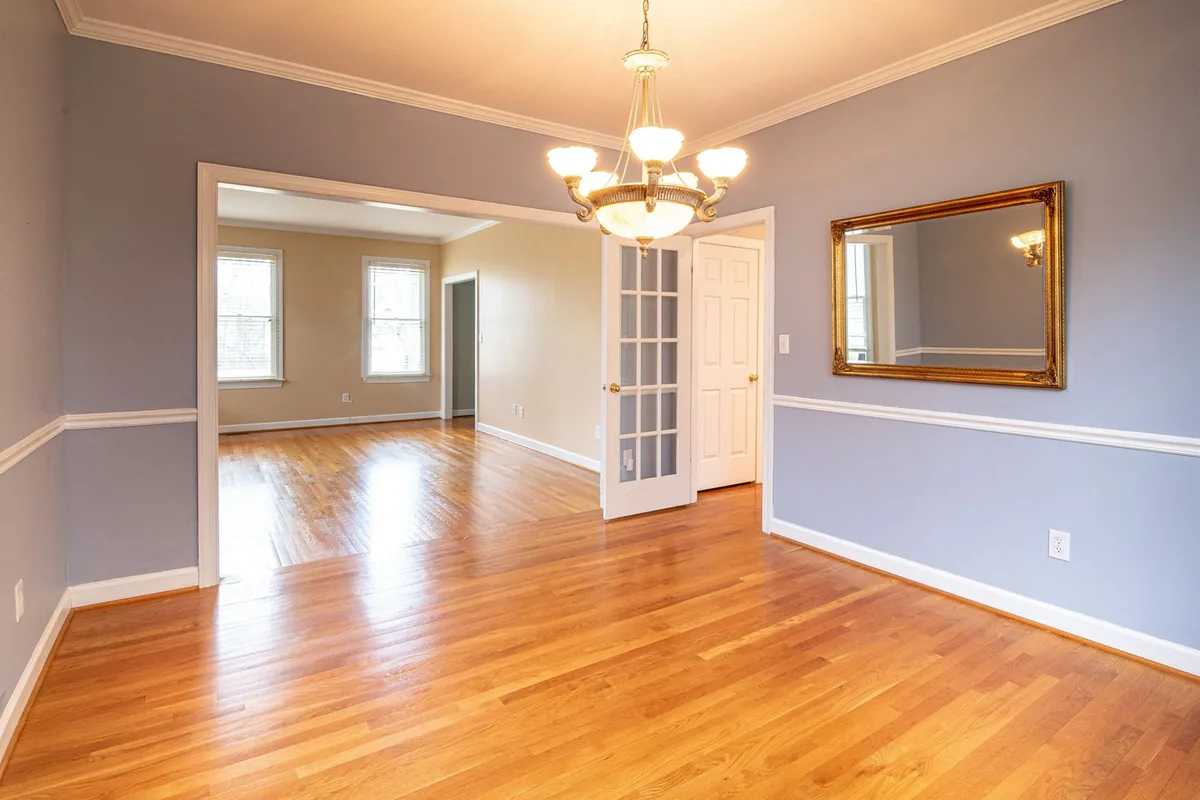
Tear gas removal is specialized because residue is hard to see and easy to spread. Crews wear protective gear, isolate the air system and clean from the cleanest area to the most affected one.
If tear gas or pepper spray was released in your home, apartment, business or vehicle in South Hill or elsewhere in Mecklenburg County, call South Hill Biohazard Cleanup Help. You get a cleanup team in protective gear that keeps details private.
With 46% of homes in South Hill rented, residue that spreads through shared vents can affect more than one unit. Whatever the season in South Hill, turn off the air system after an incident so it does not spread residue.
A typical tear gas & pepper spray cleanup job includes:
Glass, metal, sealed wood and plastic are cleaned with products matched to the agent.
The area is sealed, the air system is shut down and isolated, and the crew works in protective gear.
Surfaces are cleaned in a set order, from the cleanest area toward the most affected one, with fresh materials at each stage.
A final inspection and a set of records finish the job, so tenants or staff can return.
Expect tear gas & pepper spray cleanup in South Hill, VA to cost roughly $1,500 to $50,000, with the final price set after an on-site assessment.
The type of agent changes the method. Some residue is a fine powder and some is an oil, and each needs different products and steps.
| Type of job | Typical range |
|---|---|
| Commercial property | $10,000 - $50,000+ |
| Small apartment | $1,500 - $4,000 |
| Single-family home | $3,000 - $10,000+ |
Estimates only, not a quote. Sources: Tear gas cleanup cost guide. Price drivers include property size, air system involvement, materials affected, time since exposure. Call (877) 812-4220 to talk through the job.
Rules for hazardous residue vary by state, county and city. Waste may need special handling and cannot always go in the regular trash. Ask the local health department or fire department what applies.
Tell the landlord or property manager right away. The lease and local law decide who pays. A landlord, an attorney or a tenant rights group can explain.
Small incidents with little residue may clear with fresh air. For anything larger, it is risky because residue is hard to see and wiping can spread it. A professional crew uses protective gear and checks the result.
Ask the agency what records it can give you. A police report number is often useful for insurance. Cleanup can start once the agency says the property can be entered.
Glass, metal, sealed wood and plastic often clean well. Washable fabrics may be saved depending on the agent. Carpet, padding, foam and mattresses are harder, and some must be removed. The crew sorts items with you.
If the heating or cooling system ran, it may have pulled irritant particles into vents and ducts and moved them to other rooms. Crews isolate and clean the system so residue does not spread again.
Private help from the first call to the final inspection.
Call (877) 812-4220